JustWatch is launching its own streaming service, JustWatch TV, in 12 countries
JustWatch is launching JustWatch TV in 12 countries in October 2026, with free ad-supported titles, rentals and an ad-free subscription.
In this article
- What JustWatch TV offers
- Where it is launching
- Content partners
- The three ways to pay, explained
- How JustWatch has worked until now
- How it compares with other free and low-cost options
- Questions readers are asking
- Why it is notable
- The neutrality question
- What viewers should check at launch
- How it fits into the free streaming boom
- Key facts
- Why discovery companies are moving into streaming
- What we will be watching
JustWatch, best known as a guide that tells people which service carries a film or show, is launching a streaming service of its own. JustWatch TV was announced at the Toronto International Film Festival in September 2026 and is scheduled to launch in October 2026.
What JustWatch TV offers
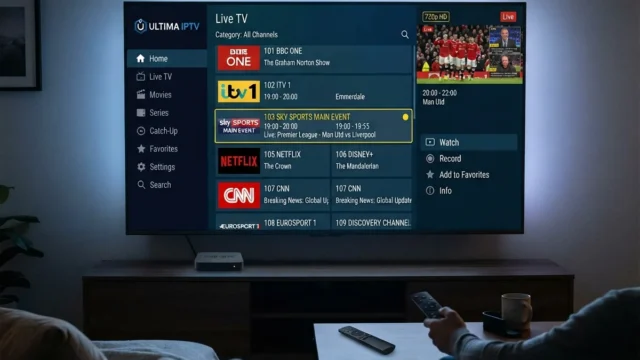
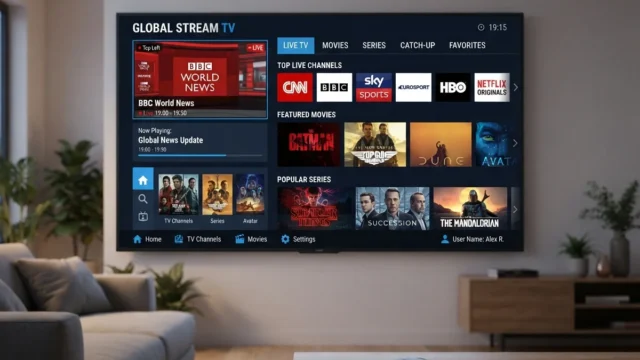
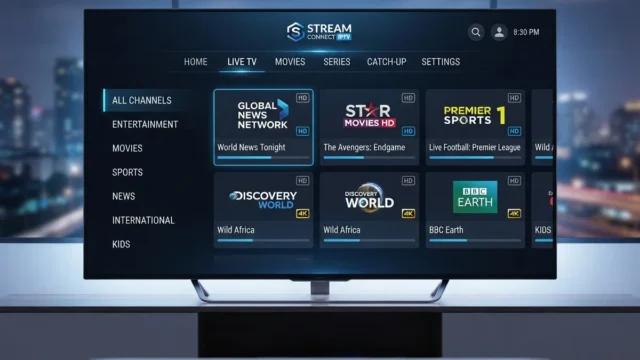
According to Pocket-lint, JustWatch TV combines three ways to watch:
- Free, ad-supported titles (often called AVOD)
- Rentals and purchases of individual titles (often called TVOD)
- An ad-free subscription. Pricing had not been confirmed in the coverage we reviewed.
The service is built into JustWatch's existing apps and website, so current users don't need a new download. It was already in beta, with films including Interstellar, Saving Private Ryan and Top Gun: Maverick available.
Where it is launching
JustWatch TV is launching in 12 countries: the United States, Canada, the United Kingdom, Ireland, Germany, Austria, Switzerland, France, Italy, Spain, Australia and New Zealand.
Pocket-lint lists support for web browsers, mobile devices, Apple TV, Fire TV, Android TV, and LG and Samsung TVs. Roku support was not confirmed in that report.
Content partners
Launch partners named in the coverage include Paramount, New Regency, Fremantle, Bleecker Street and Vortex Media, with more expected.
The three ways to pay, explained
Streaming businesses are often described with acronyms that mean little outside the industry. JustWatch TV combines three of them, and the differences matter for what you will actually pay.
Free with ads (AVOD)
Advertising-based video on demand means you choose a title and watch it free, with commercial breaks. Advertisers pay rather than the viewer. Libraries in this tier are usually made up of older films and series. Rights holders license them for ad-supported windows after their premium release periods have ended.
AVOD is different from FAST channels, where programmes play on a schedule like traditional TV. AVOD is on demand: you press play when you want.
Rent or buy (TVOD)
Transactional video on demand is the digital equivalent of the video shop. You pay once to rent a film, typically for a limited viewing window, or to buy access to it for the long term. Newer releases often appear here before they reach subscription or free services.
Subscribe to remove ads (SVOD)
The ad-free subscription is the most familiar model: a recurring fee in exchange for viewing without commercials. JustWatch's pricing for this tier had not been published in the coverage we reviewed, so we can't say how it compares with other services yet.
| Model | You pay | Ads | Typical content |
|---|---|---|---|
| AVOD | Nothing | Yes | Library titles |
| TVOD | Per title | No | Newer releases and catalogue titles |
| SVOD | Monthly or annual fee | No | Depends on licensing |
How JustWatch has worked until now
JustWatch built its audience as a search and discovery tool rather than as a place to watch. Its apps and website let people search for a film or series and see which services offer it, whether included in a subscription, free with ads, or for rent or purchase. Selecting a result usually sends the viewer to that service's own app or website.
That business sits between viewers and streaming platforms. JustWatch's Wikipedia entry describes it as a Berlin-based company founded in 2014. Its value to the industry comes from the scale of that search traffic and the data on what people are looking for.
Launching its own service changes that position. JustWatch will now be both a guide to other services and a place to watch some titles directly, which raises the question we return to below: how it keeps its recommendations neutral.
How it compares with other free and low-cost options
JustWatch TV enters a crowded part of the market. Viewers who want to spend less already have several kinds of option:
- FAST and AVOD platforms such as Pluto TV, Tubi, The Roku Channel and Plex's free catalogue
- TV-maker platforms such as Samsung TV Plus and LG Channels, built into smart TVs
- Ad-supported tiers of paid services such as Netflix and Disney+, which add ads in exchange for a lower price. See our explainer on ad-supported tiers
- Digital stores that rent and sell individual titles
JustWatch's difference is that the service sits inside the same app people already use to decide what to watch. Whether that is enough to compete will depend on the size of the free catalogue, the ad load and the price of the ad-free tier, none of which can be judged before launch.
Questions readers are asking
Is JustWatch TV a separate app?
According to Pocket-lint's reporting, no. It is built into the existing JustWatch apps and website.
Will it work on my TV?
Pocket-lint lists web browsers, mobile devices, Apple TV, Fire TV, Android TV, and LG and Samsung TVs. Roku had not been confirmed in that report. If you use a Roku device, check JustWatch's own announcements at launch.
Is it available in my country?
Only in the 12 launch countries listed above, at least initially. Licensing for films and series is usually negotiated country by country, so even within those 12 countries the catalogue may differ.
Is it legal?
Yes. JustWatch is an established, identifiable company, and the reported launch partners are recognized studios and distributors. If you are unsure about any other free service, our guide to telling legitimate services apart explains what to check.
Why it is notable
JustWatch's main asset is not a library but discovery: it already sits at the point where viewers decide what to watch. A service built into that experience can offer a free or rentable option right next to the subscription services it lists.
The launch also fits two wider trends:
- Free, ad-supported streaming keeps growing as viewers push back on rising subscription prices. See our explainers on FAST channels and ad-supported tiers.
- Distribution keeps shifting. As Parks Associates' latest figures show, standalone services are consolidating while content moves to bigger platforms and free channels.
The neutrality question
The most interesting issue for viewers is not the catalogue but trust. JustWatch's search results are used to decide where to watch. Once JustWatch has its own titles to promote, readers will reasonably want to know whether its results still show every option fairly. That includes cases where another service has the same title cheaper or included in a subscription the viewer already pays for.
This isn't unique to JustWatch. Smart TV platforms and streaming device makers already promote their own free channels on their home screens. But it is especially sensitive for a company whose reputation rests on being a neutral guide. Clear labelling of JustWatch TV results, and continued visibility of competing options, would go a long way to answer the question.
What viewers should check at launch
When JustWatch TV goes live in your country, a few checks will show whether it's worth using:
- Catalogue size and freshness. How many titles are free, and how often new ones arrive?
- Ad load. How many ad breaks do films and episodes have on the free tier?
- Subscription price. How does the ad-free tier compare with other services?
- Rental and purchase prices. Are they competitive with established digital stores?
- Picture and sound quality. Is HD standard? Is 4K offered?
- Device support. Does it work on every device you use, including Roku if relevant?
- How results are labelled. Can you clearly tell when a search result is JustWatch's own offer?
How it fits into the free streaming boom
Free ad-supported viewing has grown quickly as subscription prices rise. Free services now range from manufacturer-run channel apps on smart TVs to standalone platforms backed by major media companies. JustWatch's entry adds a discovery-led competitor, and shows that companies outside traditional media see value in owning a viewing experience as well as recommending one. For background on why prices keep rising, see our streamflation analysis.
Key facts
| Item | Detail (as reported) |
|---|---|
| Announced | September 2026, at the Toronto International Film Festival |
| Launch | October 2026 |
| Countries | US, Canada, UK, Ireland, Germany, Austria, Switzerland, France, Italy, Spain, Australia, New Zealand |
| Tiers | Free with ads; rent or buy; ad-free subscription |
| Partners named | Paramount, New Regency, Fremantle, Bleecker Street, Vortex Media |
| Devices named | Web, mobile, Apple TV, Fire TV, Android TV, LG and Samsung TVs |
Why discovery companies are moving into streaming
JustWatch is not the first company built on recommending content to move closer to delivering it. Device makers, smart TV platforms and search companies have all added their own free channels and catalogues alongside third-party apps. The logic is the same each time: the company already controls the moment when a viewer decides what to watch, and offering its own content at that moment can turn that position into advertising and subscription revenue. The challenge for each of them is to keep the trust of viewers and partners while competing with the services they also promote.
What we will be watching
Important details, including subscription pricing, the size of the free catalog and how JustWatch separates its own service from neutral recommendations, will become clearer at launch. We will update this article when the service goes live.