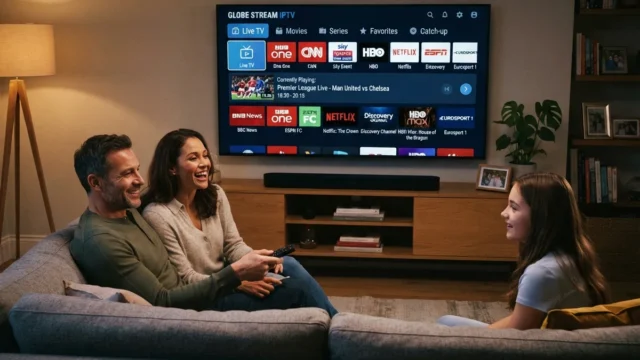
IPTV for USA viewers: a practical guide to legal live TV over the internet
Millions of American households now watch live TV over the internet instead of through a cable box or satellite dish. That’s IPTV in the broad sense: television delivered…
Plain-English explainers on the protocols, codecs, networks and security systems behind IPTV and streaming video.
Millions of American households now watch live TV over the internet instead of through a cable box or satellite dish. That’s IPTV in the broad sense: television delivered…

IPTV 4K promises the sharpest picture your TV can show: four times the pixels of Full HD, often with HDR for brighter highlights and richer colour. But “4K”…
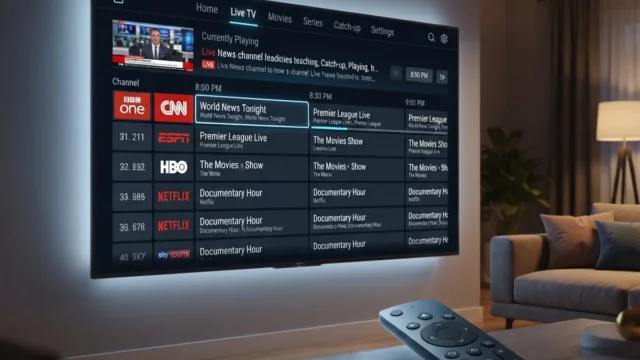
What is IPTV? How live TV is encoded, packaged and delivered over IP networks, how it differs from streaming, and what legitimate IPTV looks like.
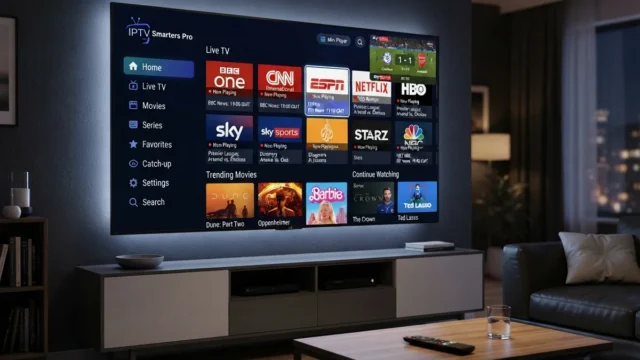
IPTV vs OTT vs cable vs satellite: how each delivers channels, and what that means for picture quality, reliability, equipment and cost.
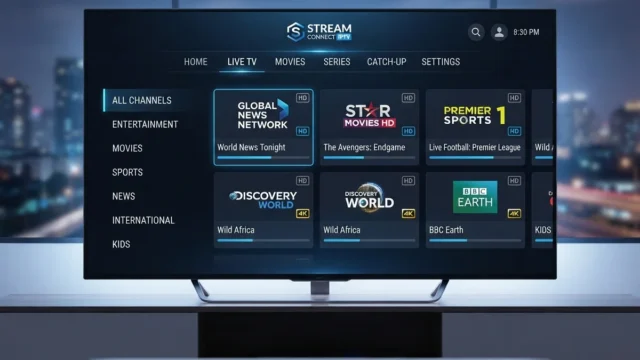
HLS vs MPEG-DASH: how both use segments, manifests and adaptive bitrate, how CMAF lets them share files, and which devices support which.
HLS vs MPEG-DASH: how both use segments, manifests and adaptive bitrate, how CMAF lets them share files, and which devices support which.
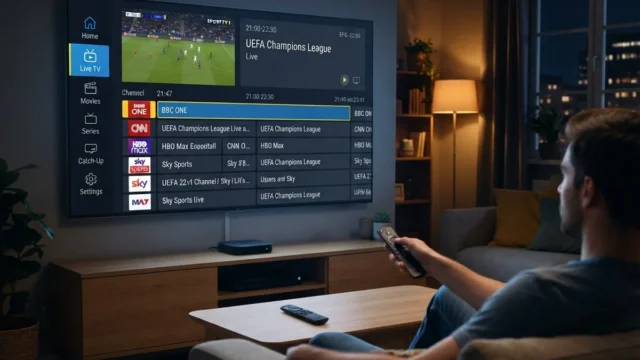
Multicast vs unicast explained: how operator IPTV sends one copy of a channel to many homes, how IGMP channel changes work, and why apps use unicast.
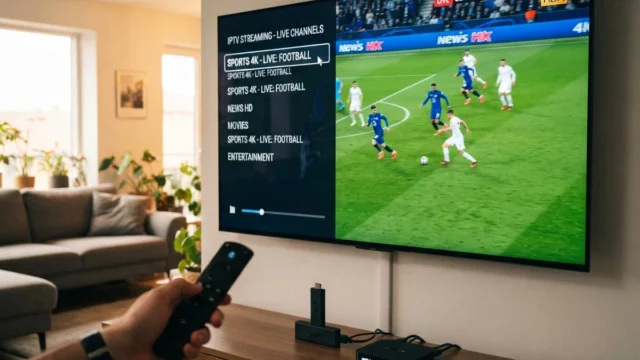
H.264, HEVC, VP9, AV1 and VVC explained: how video codecs compare on efficiency and device support, and why hardware decoding matters.
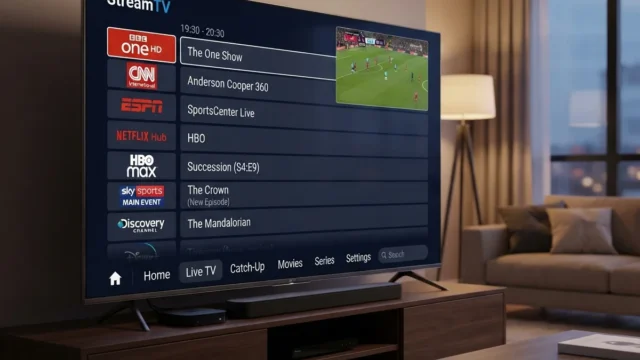
How streaming DRM works, from encryption and license servers to security levels, why some devices only get SD or HD, and what CENC and EME do behind the scenes.
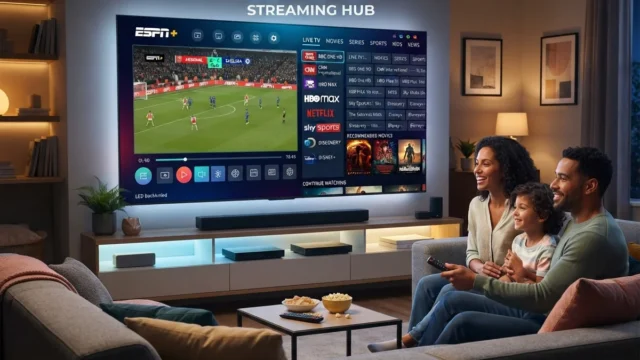
Low-latency live streaming explained: why streams lag behind broadcast, where the delay comes from, and how LL-HLS, LL-DASH and WebRTC cut it.